Considering the fact that children safety is extremely important, for the next five days only, our guide is free for downloading. Only 10.000 copies available!
Uncategorized
YOUR TEEN ISN’T AS SAFE AS YOU THINK – THE HIDDEN DANGERS THEY DON’T TALK ABOUT
Teenagers are online more than ever. But what they don’t tell you is where they go, who they talk to, or what they hide. The truth is, many dangers are not obvious to parents, and predators know exactly how to exploit that silence.
Where the dangers hide:
- Discord and hidden communities – seemingly harmless servers can host grooming, dares, and private image sharing;
- Fake relationships – strangers pretending to be supportive peers, gaining trust to manipulate emotionally and sexually;
- Dangerous challenges – viral trends pushing teens to self-harm or engage in risky behavior;
- Trading intimate images – teens pressured into sharing, then blackmailed or having pictures spread without consent.
How teens hide the signs:
- They change their phone habits (locking screens faster, deleting chats, changing passwords);
- Mood swings: anxiety, secrecy, sudden irritability;
- Spending long hours online but avoiding talking about what they’re doing;
- New “friends” they don’t want to introduce or explain.
What can you do without turning into a policeman?
- Keep an open channel of communication – let them know you’ll listen before you judge;
- Teach them the difference between healthy and manipulative behavior online;
- Set boundaries together. Explain why certain platforms or risks aren’t worth it;
- Watch patterns, not single actions. One late night online isn’t a problem. A new secret life might be;
- Remind them that no matter what they’d shared online or done, they can always come to you before it gets worse.
If you are anything like me, you may find yourself asking what Discord is. It is an online communication platform, originally created for gamers, which grew a lot and extended and now is being used by teenagers, online communities, and even companies. How it works:
- It has servers (thematic groups) where people can join;
- Each server has audio or text channels (like chat rooms);
- You can talk with people by text, audio or video. You can send images, files, links;
- It is free but offers a premium version with extra features.
Teenagers use Discord because it seems much cooler than Facebook or WhatsApp, they can join larger groups (national or international) that share the same interests in music, games or anime etc. The most important feature is that it offers the intimacy experience (private servers, hidden channels, nicknames).
Some major risks that Discord hides:
- Grooming – adults that pose as teenagers and approach them in public or private servers;
- Toxic servers – some host pornography, self-harm, dangerous dares or trends;
- Anonymity – hard to check who is behind an account;
- Intimate images traffic – pictures might be asked, traded, shared, or sold into hidden groups.
Your teen may act like they know it all but behind the screen; they can still be vulnerable to manipulation, exploitation, and danger. You don’t need to control their every move; you just need to be present, aware, and ready to step in when it matters.
Want to learn more? Check out our resources in the Shop Section.

WHAT PREDATORS LOOK FOR IN A VICTIM
And how to make sure your child isn’t one
We often hear about predators and how they target children and the horrific things they do to them but what nobody is talking about is how they decide to target a specific kid and why. Usually, it’s just about opportunity and nothing more. So let’s take those opportunities away and keep our children safe.
Online predators don’t look for the smartest kids; they look for the loneliest ones. Those who post about being sad, the ones who reply to strangers out of boredom, or those who don’t tell their parents everything.
Predators are opportunists. They test boundaries, push limits, and observe patterns. They study before they strike. Here’s what they often look for:
- Children who overshare on social media;
- Children who answer messages from people they don’t know;
- Children who hide their online activities from their parents;
- Children who are emotionally vulnerable (sad, angry, lonely);
- Children who are left unsupervised for long periods of time.
So how do you make sure your child doesn’t become a target?
- Talk to them regularly, without judgment;
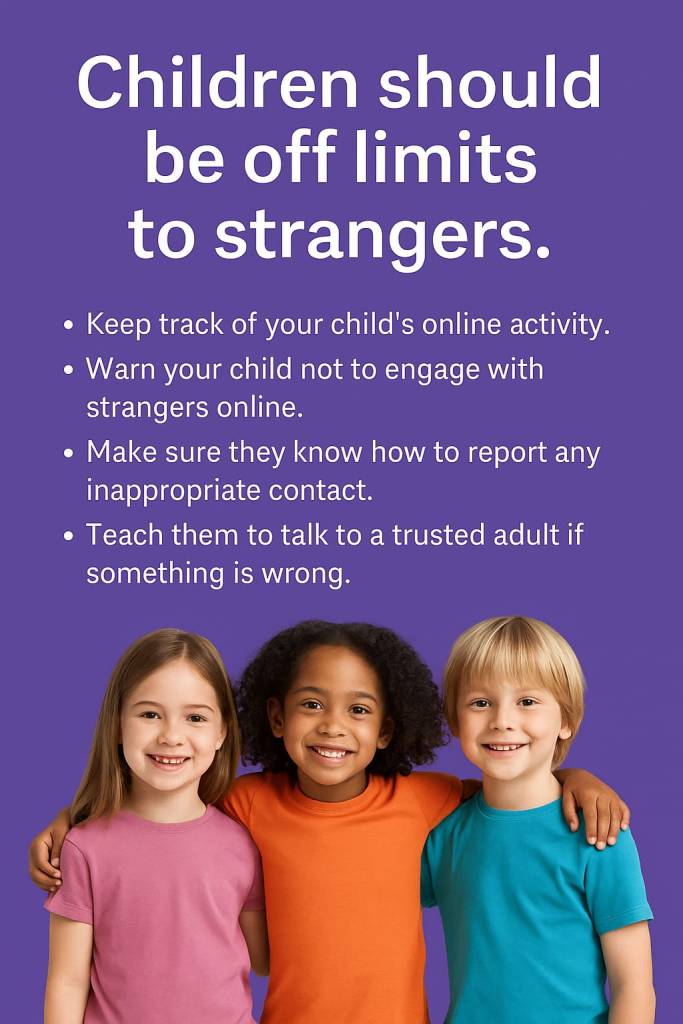
- Teach them never to engage with strangers online, even if they “seem nice”;
- Monitor what they post;
- Watch for sudden changes in behavior, secrecy, or mood;
- Remind them: “If someone makes you feel uncomfortable, you’re allowed to walk away. You’re allowed to say NO.”
Predators don’t always hide in the shadows. Sometimes, they hide behind emojis, compliments, and fake photos. Your child doesn’t need to be afraid of the internet but they need to know how to survive it.
Want to go deeper? Download the free guide: “Child Safety Essentials – How to protect your kids from manipulation & abuse”
ONLINE SAFETY – How to protect yourself in a modern, ever-changing world
The world around us began to change very fast, giving us little to no time to adapt to its new features. Many actions became automated and were transferred online. These activities birthed a whole spectrum of new challenges for us to tackle and new opportunities for criminals to exploit.
From financial transactions hijacked by third parties, phishing campaigns targeting your sensitive information, to manipulating and grooming children and trying to recruit them online, the new wave of offences that swept the world is very diverse and volatile, easy to adjust to the counter-measures taken by professionals.
When we speak about crimes committed over the internet, there are specific particularities regarding children and adults. What you need to know is that criminals exploit vulnerability and they keep testing people until they find their victim. That’s why you need to be informed and to apply simple rules to keep yourself and those you love safe.
Why criminals target adults versus children:
When it comes to the two categories, the reasons why they are being targeted are very different. Adults are usually targeted by criminals trying to exploit them financially, so they are often subjected to frauds and scams. Now there is no limitation when it comes to the criminal mind but adults, depending on their age, are more vulnerable in using technology and they are easier to outsmart or deceive.
On the other hand, children are more prone to be subjected to sexual and trafficking offences. Criminals will try to recruit or groom them so they can later exploit them. They are the most vulnerable category due to their tender age and the lack of life experience. It is a parent’s duty to teach their children safety rules to make sure they don’t fall prey into the wrong hands. Also, recognizing early signs of manipulation in your child may help you sever a connection with a stranger that may have bad intentions. Considering your kid’s age, as a parent, you should make sure that they follow some rules and you should too when it comes to them.
Quick online safety tips for children:
-Install parental control apps on their phones or smart TVs to limit access to adult content and risky platforms.
-Teach them to reject friend requests from people they don’t know, even if they seem friendly or have mutual contacts.
-Make it clear they must never share or post intimate photos or videos of themselves or others.
-Absolutely forbid meeting strangers they’ve only talked to online. Explain how people can use fake profiles or stolen images to pose as someone else.
-Encourage open communication: if something online makes them uncomfortable or scared, they should tell you right away.
-Watch for warning signs of grooming: secrecy about online activity, isolation, new “friends” they won’t discuss, or receiving unexplained gifts or money.
If you notice any of these signs, stay alert and consider reporting it. For more guidance, check out our free resource: Child Safety Essentials: How to protect your kids from manipulation & abuse
Quick online safety tips for adults:
-Avoid entering your card details on unfamiliar sites — some are clones made to steal your information.
-Never allow websites to save your card for future use. These sites are the most vulnerable to cyber-attacks. Use a dedicated low-balance card or virtual cards for online purchases.
Enable two-factor authentication (2FA) on all accounts that support it.
-Double-check email addresses — especially when receiving payment instructions. Look for subtle changes (extra letters/numbers) – this is called Business Email Compromise (BEC).
One recent case involved a company that regularly communicated with a foreign partner via email. The company received a message that seemed to come from the trusted partner, requesting a payment into a different bank account than usual. Although the email address appeared legitimate, a closer inspection later revealed that a single character had been altered. After the transfer was completed, the company’s bank flagged the destination account as previously linked to fraudulent activity. The funds could not be recovered. This method, often called Business Email Compromise (BEC), is a growing cyber threat that exploits human trust and small lapses in attention.
-Ignore suspicious calls and emails. Phishing aims to steal your data or install malware. Stolen info often ends up for sale on the dark web.
-Don’t post sensitive information online: avoid sharing your ID, bank details, home address, travel plans, or expensive purchases.
-Use strong passwords, a VPN, and secure browsers like Brave or Firefox with privacy add-ons.
-Limit your social media exposure. What you post can be used to profile you: your lifestyle, location, habits, and family details.
-Avoid posting photos of your kids naked, in the bath, or near their school/kindergarten. Every trace online contributes to a digital profile that strangers could abuse.
Online safety starts with education. By staying informed and taking small steps every day, you can protect yourself and your loved ones online. Share these tips with friends, family, or on social media to help build a safer online community. What are some other tips you would introduce on this list?
Welcome to Empower & Protect!
I’m Elowen Mardis – I worked in law enforcement for nine years, and I have seen many of the horrors this world tries to hide. I investigated diverse cases and began to observe a pattern: many criminals target vulnerable people, who become even more vulnerable by not being informed. This project was born from a personal desire to empower more people to stand up for themselves and protect those they love.
Our mission is simple:
- Empower individuals to recognize potential threats;
- Provide tools and knowledge to protect themselves and their loved ones;
- Help people overcome fear through awareness and preparedness.
This is just the beginning. Each week, you will find new articles, guides and insights designed to help you stay safe, informed, and resilient.
Explore our resources, join our community, and take control of your safety today.
Empower. Protect. Overcome.
 Empower & Protect - Safety Guides