You can find several resources on this blog to help you stay safe online. However, many of us may fall victims because we believe such things cannot possibly happen to us because of whatever reasons. Therefore I will use my personal example. If you’ve been here before and read the personal biography, you might know that I’ve been working in law enforcement for almost ten years. I worked on different cases, I know the new trends when it comes to frauds and scamming techniques and yet I almost fell to it…story time.
I was home one morning when my mobile phone started ringing. I looked at my screen. I didn’t have the number saved in my contacts list and I couldn’t even recognize the service provider. I was a little suspicious but I answered anyway. It was a pre-recorded female voice, that robotic type that is now being used in most call centers so I thought that they are probably from my internet or phone service provider trying to advertise a better offer.
“Hello! We are calling you on behalf of Revolut Bank. Your Revolut card has been charged 71 euros for Amazon Prime. If this transaction was made by you, you can end this call as an acknowledgement of the payment. If you didn’t make this transaction, press 1 and you will be redirected to an operator.” I immediately pressed 1 and was waiting for the operator when I remembered that I only use my Revolut card to buy my morning coffee and I don’t keep that much money on it. If I need to make a payment on a site that I don’t trust, I transfer that specific amount on it and I generate a virtual card for that transaction. Logically, no one could have stolen my card data to make an illegal transaction with it and I didn’t even have that amount of money on it. Yet, to be absolutely sure, I put the call on speaker and I opened my bank app. Of course, the card’s balance was the same, no suspicious activity on it. That’s when I became aware of the fact that the same pre-recorded voice was asking me to introduce the four digit security code so I can be transferred to that operator.
I ended the call and searched for that telephone number online. That’s how I learned that the specific number was issued by a virtual mobile phone operator and I couldn’t find any other information regarding it (a WhatsApp/Telegram account linked to it, a profile photo, any social media account linked to it) so I draw the conclusion that the sole purpose for which this number was activated was to scam people. I reported the number as “scammer” and made the mention that they pretended to be from the bank and asked for security codes/personal information.
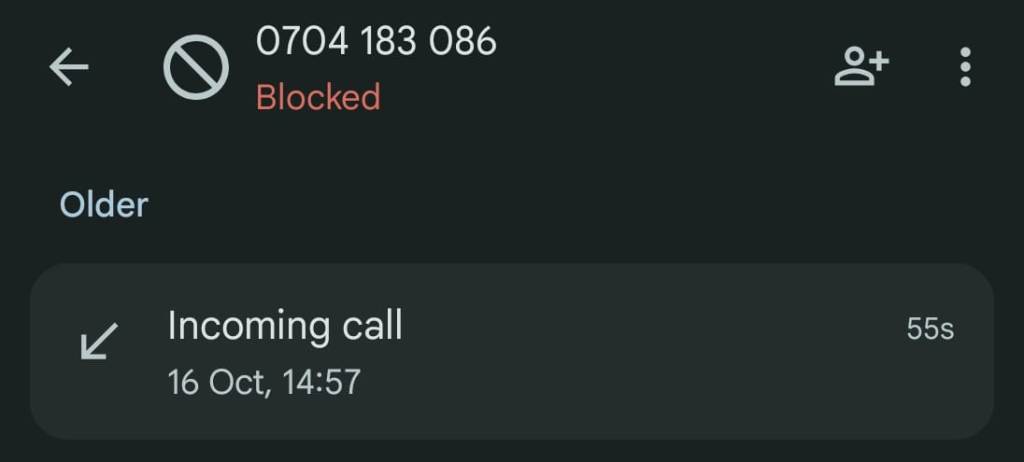
The next two weeks I received another two or three calls from different phone numbers but they used the same scam with the Revolut Bank so I just hung up the phone and reported the numbers as scammers.
Aside from those calls, I received a few others. The same general operation yet the messages were different. Still a pre-recorded female voice pretending to represent a company. In one call they told me that I have financial issues with this company and to resolve them, I should add the number to WhatsApp for further discussion. The other calls offered me a very well paid job but to learn more information about it, I needed to add the number to WhatsApp. I reported all the numbers as scammers and blocked them.
What I hope that you will learn from my personal example is that this type of scam can affect anyone and no one is immune to it. Even though I know the theory and practice better that a regular person, they almost had me. They instill an initial shock and the fear of losing what’s yours takes over and you act without putting too much thought into it and without verifying it. Now even though the amount of money they take may not be too much, the chances of getting them back are very slim. Therefore your best bet remains vigilance and prevention.
I will upload below screenshots of these calls and how you can report them step by step. It may feel like a small thing to do but if enough people take these actions, it adds that number and its content to a database used to improve your phone’s spam filtering and helps authorities investigate the scammer. The number may be blocked by your service provider or flagged for other users, and the information you provide can be used by law enforcement to take action against scammers and combat future scams.

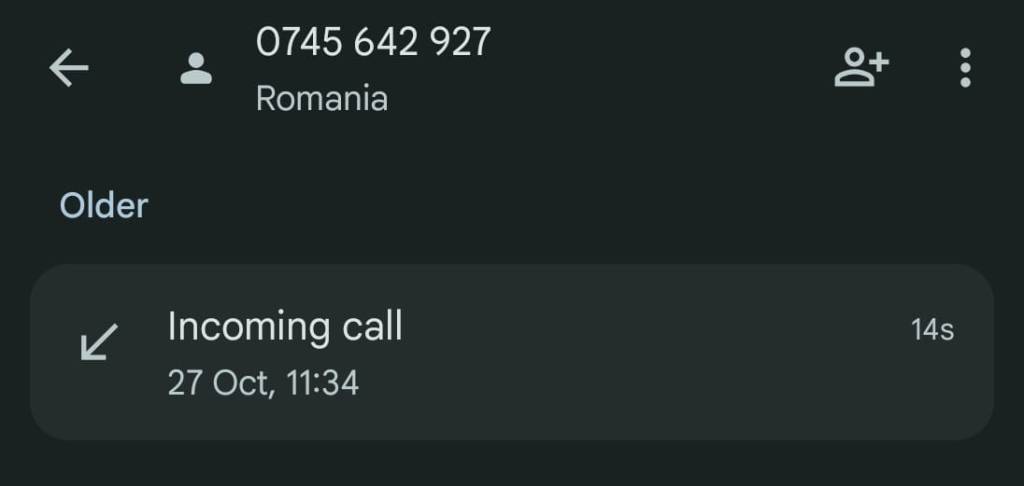
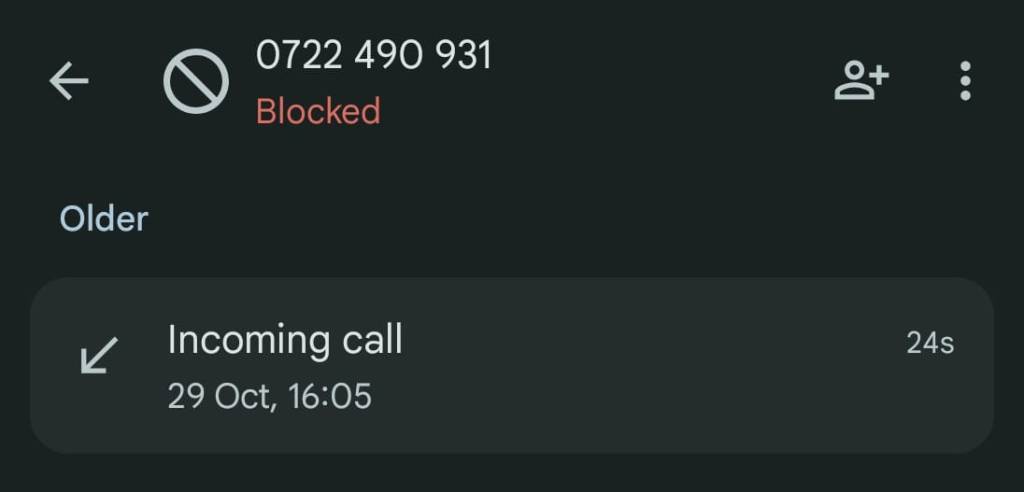
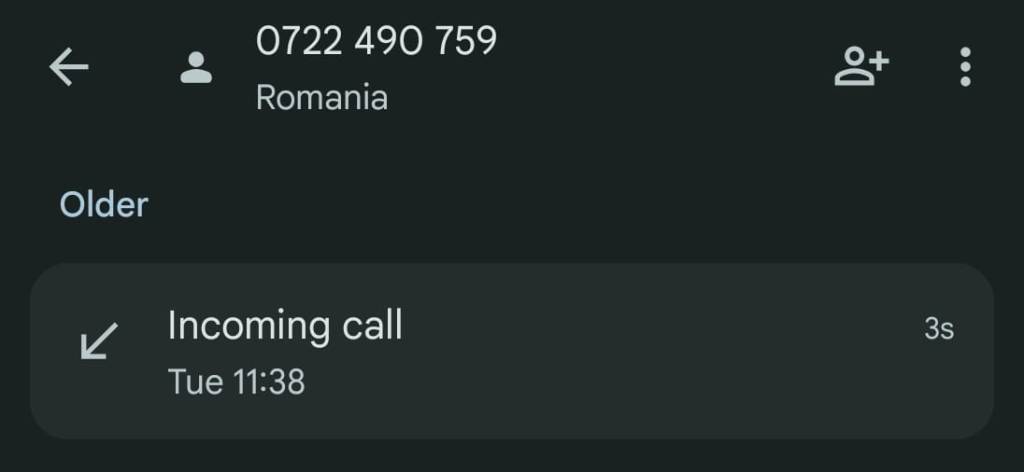

To report these suspicious numbers is fairly easy and the new generation of smartphones all have these features pre-installed.
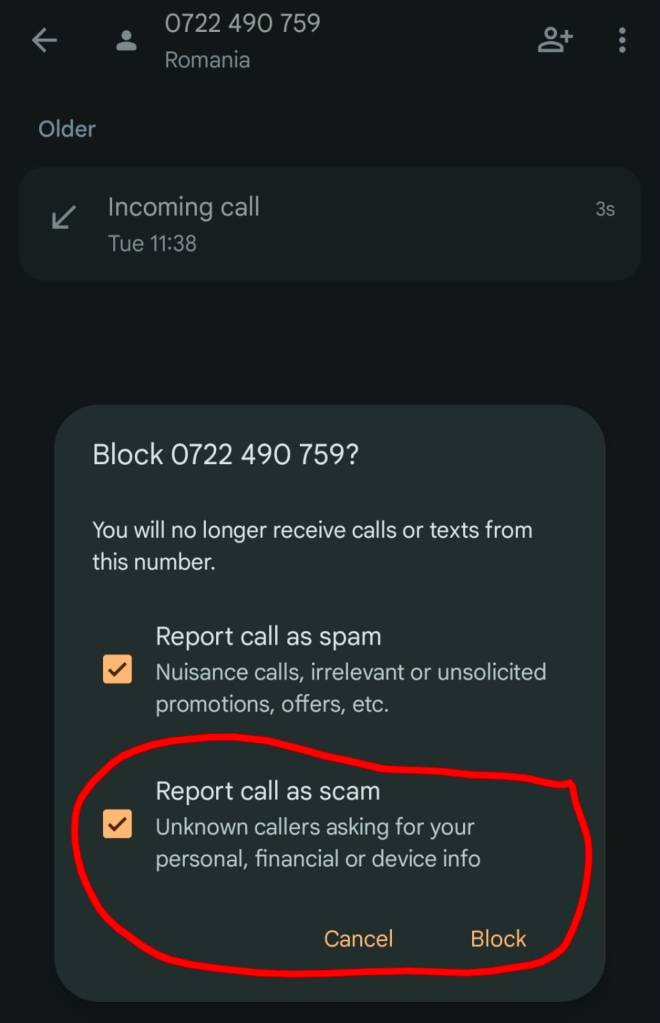
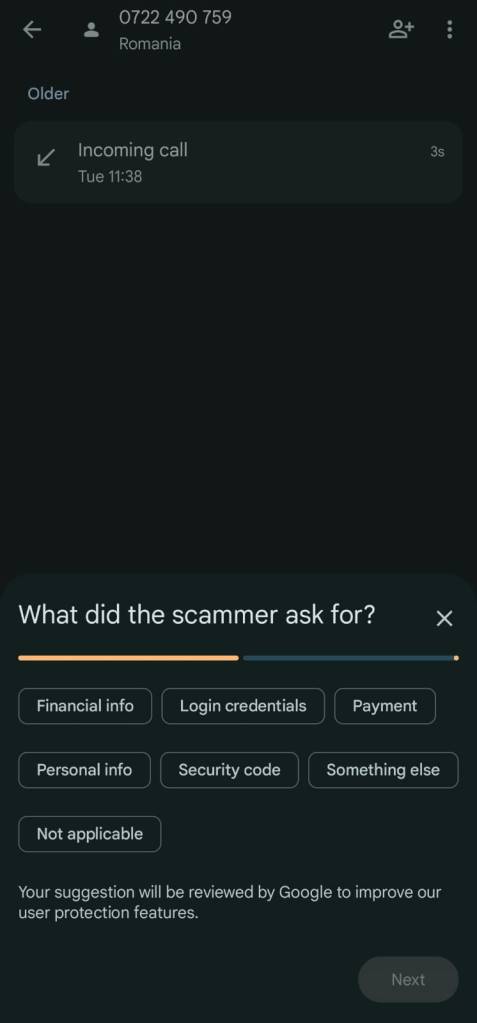

As you can see, they have some predetermined options but you can check the “something else” option and it will open a box where you can introduce manually the information that the scammers asked for.
As I hope that my personal example can be used to help and show you that these types of crimes target anyone, regardless of their education level or personal background, I will share with you some other methods that criminals use to gain access to you, your information or your financial resources. Be safe out there!
 Empower & Protect - Safety Guides