And how to make sure your child isn’t one
We often hear about predators and how they target children and the horrific things they do to them but what nobody is talking about is how they decide to target a specific kid and why. Usually, it’s just about opportunity and nothing more. So let’s take those opportunities away and keep our children safe.
Online predators don’t look for the smartest kids; they look for the loneliest ones. Those who post about being sad, the ones who reply to strangers out of boredom, or those who don’t tell their parents everything.
Predators are opportunists. They test boundaries, push limits, and observe patterns. They study before they strike. Here’s what they often look for:
- Children who overshare on social media;
- Children who answer messages from people they don’t know;
- Children who hide their online activities from their parents;
- Children who are emotionally vulnerable (sad, angry, lonely);
- Children who are left unsupervised for long periods of time.
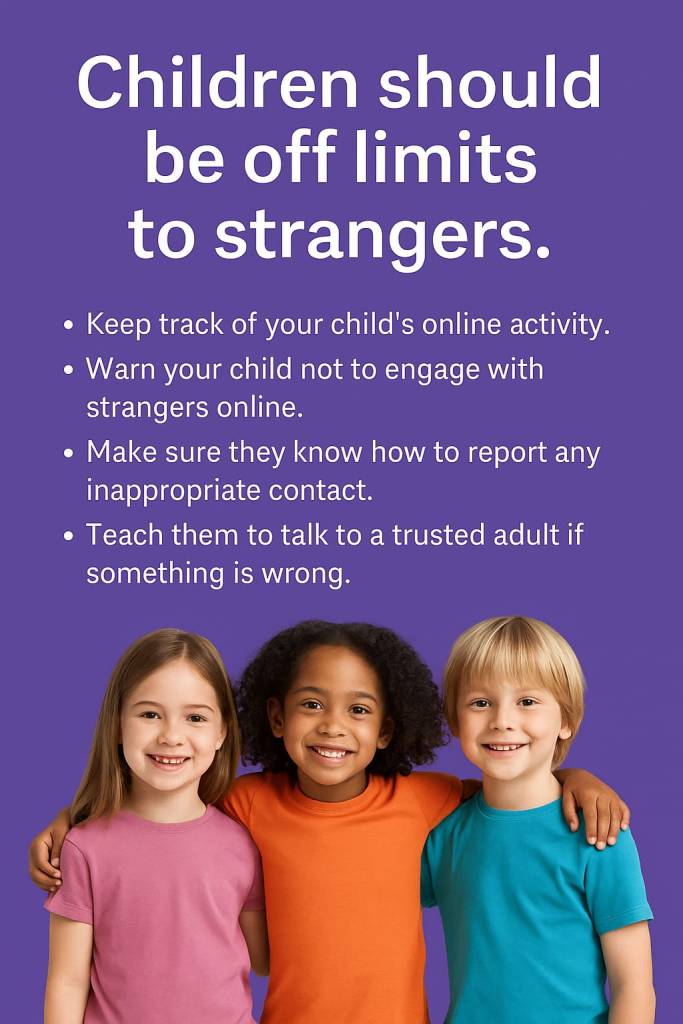
So how do you make sure your child doesn’t become a target?
- Talk to them regularly, without judgment;
- Teach them never to engage with strangers online, even if they “seem nice”;
- Monitor what they post;
- Watch for sudden changes in behavior, secrecy, or mood;
- Remind them: “If someone makes you feel uncomfortable, you’re allowed to walk away. You’re allowed to say NO.”
Predators don’t always hide in the shadows. Sometimes, they hide behind emojis, compliments, and fake photos. Your child doesn’t need to be afraid of the internet but they need to know how to survive it.
Want to go deeper? Download the free guide: “Child Safety Essentials – How to protect your kids from manipulation & abuse”
 Empower & Protect - Safety Guides